
When people think about Adjustment of Status, they often imagine forms, timelines, and interviews. What they don’t always see is the emotional toll of living in limbo—of building a life while never feeling truly secure.
This is the story of one client’s journey through Adjustment of Status. Details have been changed to protect privacy, but the experience is one we see every day.
Before: Living Carefully, Constantly Afraid of a Misstep
When “Maria” first contacted our office, she had already been in the United States for nearly a decade. She entered legally on a temporary visa, but life unfolded quickly. She met her husband, a U.S. citizen. They married. They had children. And somewhere along the way, her visa expired.
Maria didn’t consider herself reckless. In fact, she was extremely cautious.
She avoided driving whenever possible.
She didn’t travel, even for emergencies.
She worked jobs that paid cash because she had no work authorization.
Every decision was shaped by one question: What if this puts everything at risk?
Despite being married to a U.S. citizen, Maria believed she had waited too long. She had heard stories online—some true, some wildly inaccurate—that convinced her she had missed her chance. She worried about unauthorized work, about overstaying her visa, and about what would happen if she spoke to an immigration attorney and was told she had no options.
Emotionally, she felt exhausted. She described living as though her life was on pause, even as her children grew older and more rooted in the United States.
The Turning Point: Seeking Clarity Instead of Assumptions
Maria’s first consultation with our office wasn’t about filing paperwork. It was about understanding her full story.
We reviewed:
- Her lawful entry into the U.S.
- The length of her overstay
- Her marriage history
- Her work history
- Her lack of criminal record
- Her family ties in the U.S.
What became clear was something we see often: Maria was eligible for Adjustment of Status as the spouse of a U.S. citizen, despite her overstay and unauthorized employment.
That moment—realizing she had options—was emotional. But it was also just the beginning.
The Journey: Building a Strong, Honest Application
Once eligibility was confirmed, our work focused on preparation.
Reframing the Fear
One of the first things we addressed was Maria’s fear that past mistakes would automatically disqualify her. We explained that immigration law distinguishes between disqualifying conduct and forgivable violations—and that transparency would be essential.
Preparing the Adjustment of Status Package
We worked closely with Maria and her husband to prepare a complete application, including:
- Clear documentation of her lawful entry
- Strong evidence of a real, ongoing marriage
- Financial sponsorship documents
- A carefully prepared adjustment application with consistent dates and details
Nothing was rushed. Every form was reviewed line by line.
Addressing Work History and Overstay
Rather than avoiding the issue, we disclosed her work history accurately and explained the legal forgiveness available to immediate relatives of U.S. citizens. This proactive approach helped avoid future complications.
Interview Preparation
As the interview approached, anxiety returned. Maria worried about being asked questions she wouldn’t understand or being judged for her past.
We conducted mock interviews, reviewed likely questions, and explained what the officer’s role would be. We reminded her of something important: the interview is not a test of worthiness—it’s an eligibility review.
The Interview: Calm, Prepared, and Grounded
On the day of the interview, Maria and her husband arrived prepared. They brought organized documentation and answered questions consistently.
The officer reviewed their relationship history, confirmed details from the application, and asked standard questions about background and admissibility. Because the case had been prepared carefully, there were no surprises.
The interview lasted less than 30 minutes.
A few weeks later, Maria received her approval notice. Shortly after, her green card arrived in the mail.
After: What Stability Really Looks Like
But the real change wasn’t just legal—it was emotional.
She began working legally for the first time.
She drove without fear.
She started planning trips she had avoided for years.
She talked openly with her children about the future.
Maria often tells us that the greatest relief was no longer living in constant caution.
Advice Maria Shares with Others
When asked what she would tell others considering Adjustment of Status, her answer is simple:
“Don’t assume you’re disqualified. And don’t wait out of fear.”
Her journey is a reminder of why careful legal guidance matters—not just for approval, but for peace of mind.
About This Article
Based on content originally co-authored by Attorney Carrie Nguyen and criminal defense attorney Benson Varghese. Original article: versustexas.com/blog/immigration-consequences. This version has been rewritten for current practice.
Law Office of Carrie Nguyen
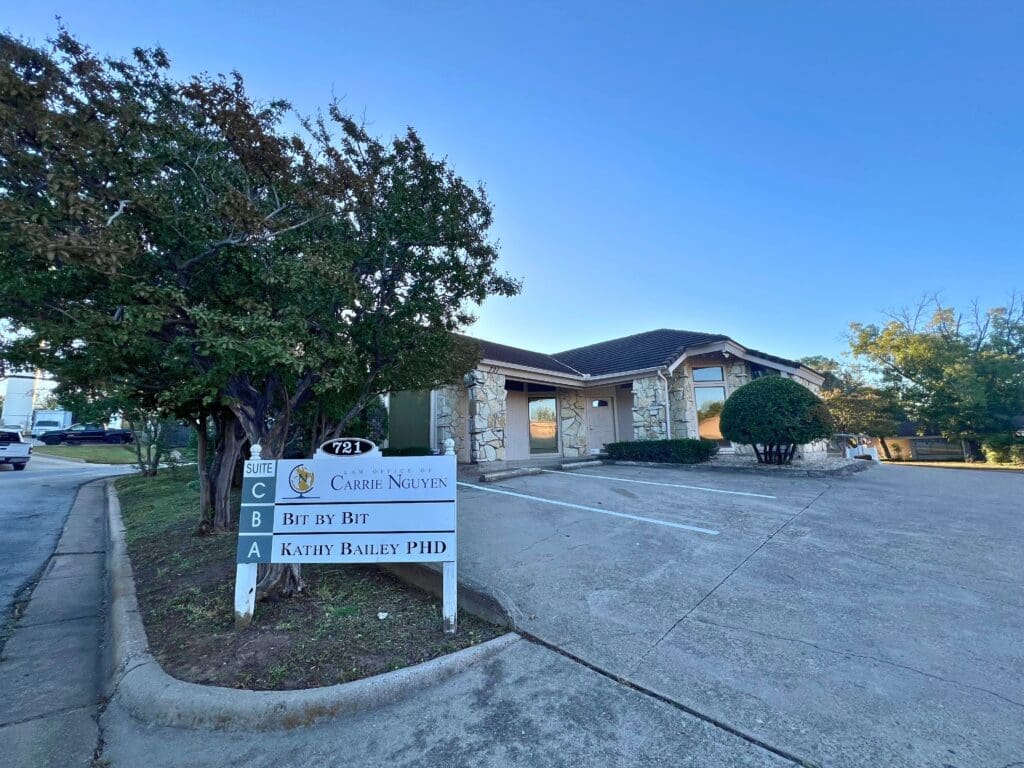
721 N Fielder Rd., Suite C, Arlington TX 76012
817-330-9734 | info@carrielegal.com
“You Are Not Alone”