
Immigration law doesn’t change overnight—but the way cases move through the system often does. Over the past year, USCIS has quietly adjusted internal processing priorities, staffing allocations, and case review practices. For Adjustment of Status applicants, these changes matter.
We often hear the same question from clients:
“Is my case delayed—or is this normal?”
This blog explains what has changed, why processing times look different today, and what you can do to protect your Adjustment of Status application in a shifting USCIS landscape.
What Has Changed at USCIS?
USCIS has publicly acknowledged several operational shifts that directly affect Adjustment of Status cases:
1. Reallocation of Staff and Resources
USCIS continues to rebalance staff between humanitarian cases, asylum backlogs, family-based filings, and employment-based petitions. While this helps address urgent categories, it can slow processing in others.
2. Increased Scrutiny of Applications
Officers are being instructed to:
- Review applications more thoroughly at intake
- Issue Requests for Evidence earlier
- Verify consistency across immigration records more carefully
This means incomplete or inconsistent filings are more likely to be delayed.
3. Interview Scheduling Bottlenecks
Field offices vary widely in interview availability. Some offices are scheduling interviews within 12 months, while others take significantly longer due to volume and staffing.
Why Processing Times Feel Longer Than Before
Many applicants compare current timelines to stories from friends or family who applied years ago. That comparison can be misleading.
Today’s Adjustment of Status cases are affected by:
- Pandemic-era backlogs
- Increased application volume
- More detailed security and background checks
- Higher rates of Requests for Evidence (RFEs)
Importantly, a longer timeline does not mean a weaker case. It often reflects systemic delays rather than individual problems.
What USCIS Is Looking for More Closely Now
Based on recent case trends, USCIS officers are paying closer attention to:
Consistency Across Records
Discrepancies between:
- Prior visa applications
- Entry records
- Past immigration filings
- Current AOS forms
can trigger additional review.
Financial Sponsorship Evidence
Affidavits of Support are being reviewed carefully to confirm:
- Income meets requirements
- Tax documentation is complete
- Joint sponsors are properly qualified
Marriage-Based Evidence
For marriage-based Adjustment of Status cases, officers continue to focus on:
- Evidence of shared life
- Financial commingling
- Timeline consistency
- Credible interview testimony
What These Changes Mean for Applicants
1. Preparation Matters More Than Ever
A rushed or incomplete filing is far more likely to result in delays.
2. RFEs Are Becoming More Common
Receiving an RFE does not mean your case will be denied—but it does extend your timeline and requires careful response.
3. Interview Readiness Is Critical
With fewer interview slots available, officers expect applicants to be prepared. Poor interview performance can lead to continuances or additional review.
How to Protect Your Adjustment of Status Case Right Now
Whether you’re preparing to file or already waiting, here are practical steps you can take:
- Ensure USCIS has your current address
- Respond to notices promptly
- Avoid unauthorized travel
- Do not rely on outdated online advice
- Consult an attorney before submitting additional evidence
Being proactive is often the difference between steady progress and unnecessary delay.
Our Approach During Changing USCIS Conditions
At the Law Office of Carrie Nguyen, we’ve adapted our processes to reflect these changes by:
- Strengthening intake reviews
- Filing more robust initial applications
- Preparing clients thoroughly for interviews
- Monitoring cases closely for early issues
Our goal is not just approval—it’s minimizing stress and uncertainty along the way.
A Final Word on Patience and Perspective
Adjustment of Status is rarely fast—but it is transformative. Delays can be frustrating, but most cases continue moving forward when handled carefully.
If your case feels slow, that does not mean you’ve done something wrong. It means the system is complex—and preparation matters.
Need Clarity About Your Timeline?
If you’re unsure where your case stands or whether current USCIS changes affect you, we’re here to help.
About This Article
Based on content originally co-authored by Attorney Carrie Nguyen and criminal defense attorney Benson Varghese. Original article: versustexas.com/blog/immigration-consequences. This version has been rewritten for current practice.
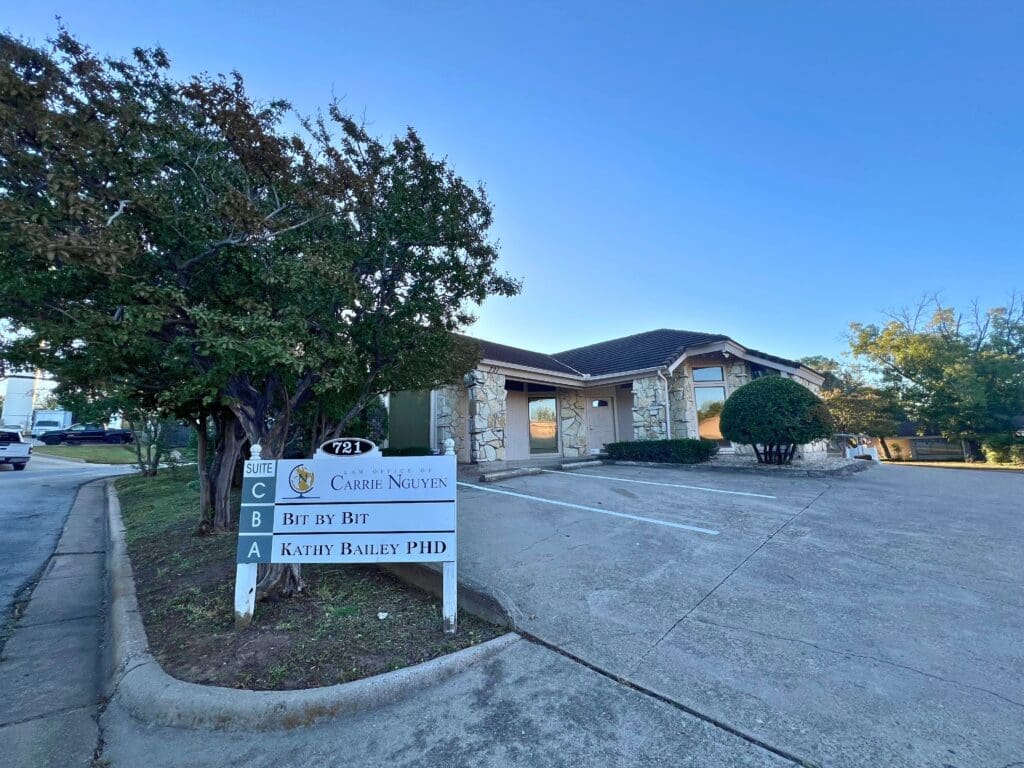
Law Office of Carrie Nguyen
721 N Fielder Rd., Suite C, Arlington TX 76012
817-330-9734 | info@carrielegal.com
“You Are Not Alone”