
The Quick Answer
An immigration waiver allows a person found inadmissible to the United States to request forgiveness of that ground and receive an immigrant visa or green card anyway.
The I-601 (Application for Waiver of Grounds of Inadmissibility) covers a broad range of inadmissibility grounds including unlawful presence, certain criminal grounds, and misrepresentation.
The I-601A (Provisional Unlawful Presence Waiver) is specifically for unlawful presence bars and can be filed before leaving the U.S.
Both waivers require demonstrating extreme hardship to a qualifying U.S. citizen or lawful permanent resident spouse or parent — not hardship to the applicant. Extreme hardship to the applicant alone is not sufficient.
Of all the words in immigration law, “inadmissible” might be the one that causes the most fear. It sounds absolute. Like a door that has been permanently closed.
In many cases, it is not permanent. A finding of inadmissibility can sometimes be overcome through an immigration waiver. Waivers are not easy. They are not loopholes. But they exist because Congress recognized that rigid inadmissibility rules would permanently separate families for circumstances that may have happened decades ago, often under very difficult conditions.
Here is what families in the Dallas-Fort Worth area and across Texas need to understand about immigration waivers, who needs one, and what the process actually requires.
What Does Inadmissible Mean in U.S. Immigration Law?
The grounds of inadmissibility are listed in Section 212 of the Immigration and Nationality Act (INA). The ones we encounter most frequently include:
- Unlawful presence — being in the U.S. without legal status for more than 180 days triggers a 3-year bar to re-entry upon departure; more than one year triggers a 10-year bar.
- Prior removal or deportation — someone who was previously removed must file Form I-212 (Permission to Reapply for Admission) and may also need a waiver.
- Certain criminal convictions — including crimes involving moral turpitude (CIMT), controlled substance offenses, and others.
- Material misrepresentation or fraud in a prior immigration application or visa proceeding.
- Prior use of fraudulent documents to enter the U.S.
Some grounds are permanent bars that cannot be waived. Others are temporary or waivable.
What Is the I-601 Waiver and Who Needs One?
Form I-601, Application for Waiver of Grounds of Inadmissibility, is the broader of the two most common waivers. It applies to unlawful presence bars, certain criminal grounds, and misrepresentation.
The I-601 is typically filed after a person has been found inadmissible (usually after a consular interview abroad). Approval depends on whether denying the waiver would cause extreme hardship to a qualifying U.S. citizen or LPR spouse or parent.
What Is the I-601A Provisional Waiver and How Is It Different?
Form I-601A, Application for Provisional Unlawful Presence Waiver, is specifically for the 3-year and 10-year unlawful presence bars.
The key difference is timing: it can be filed and approved before the person leaves the United States. This avoids long family separations that occurred under the old process.
“Waivers don’t erase history. They ask USCIS to weigh that history against the documented cost of permanently breaking a family apart.”
What Does ‘Extreme Hardship’ Mean for an Immigration Waiver?
Extreme hardship refers to significant, documented hardship to the qualifying U.S. citizen or LPR family member (spouse or parent), not the applicant.
Factors considered (from Matter of Cervantes-Gonzalez) include:
- Serious medical or mental health conditions of the qualifying relative requiring the immigrant’s presence as a caregiver.
- Financial dependency on the immigrant.
- The qualifying relative’s ties to the U.S. and inability/unwillingness to relocate abroad.
- Impact of separation on U.S. citizen children (schooling, mental health, stability).
- Conditions in the country the immigrant would return to (safety, healthcare, economy).
A strong waiver application requires detailed evidence: medical records, psychological evaluations, financial documents, country condition reports, and declarations.
Are There Grounds of Inadmissibility That Cannot Be Waived?
Yes. Certain grounds are permanent bars with no waiver available (e.g., participation in persecution, certain serious crimes, security-related grounds).
Even when a waiver is technically available, approval is never guaranteed and depends on the strength of the extreme hardship case.
Frequently Asked Questions
Q: What is an immigration waiver? A: An immigration waiver is a formal request to USCIS to forgive a ground of inadmissibility that would otherwise prevent someone from receiving a visa or green card. Common waivers include the I-601 and I-601A.
Q: What is the I-601A provisional waiver? A: The I-601A allows certain individuals with unlawful presence bars to apply for the waiver before leaving the U.S. for their consular interview, significantly reducing family separation time.
Q: What is the 3-year and 10-year bar in immigration? A: The 3-year bar applies to more than 180 days but less than 1 year of unlawful presence. The 10-year bar applies to more than 1 year of unlawful presence. Both can potentially be waived with a showing of extreme hardship.
Q: What does ‘extreme hardship’ mean for an immigration waiver? A: It means significant, documented hardship to a qualifying U.S. citizen or LPR spouse or parent — not to the applicant.
Q: Can a prior deportation order be waived? A: In some cases, yes. Individuals with prior removal usually need to file Form I-212 (Permission to Reapply) and may also need an inadmissibility waiver. Each case must be evaluated individually.
About This Article
Based on content originally co-authored by Attorney Carrie Nguyen and criminal defense attorney Benson Varghese. Original article: versustexas.com/blog/immigration-consequences. This version has been rewritten for current practice.
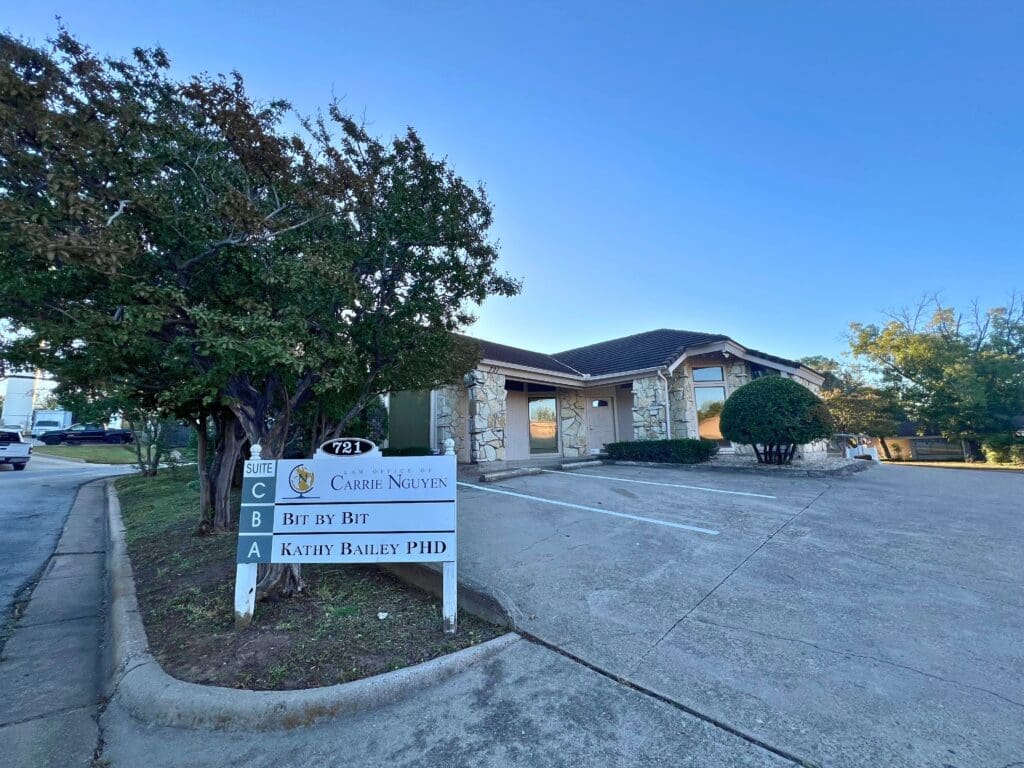
Law Office of Carrie Nguyen
721 N Fielder Rd., Suite C, Arlington TX 76012
817-330-9734 | info@carrielegal.com
“You Are Not Alone”