
Form I-130 — the Petition for Alien Relative — is how U.S. citizens and permanent residents officially start the process of bringing a family member to the United States. It’s the first step, and it matters more than most people realize. Filing it correctly, and early, can mean the difference between months and years of waiting.
Who Can File an I-130?
You must be a U.S. citizen or lawful permanent resident (green card holder). Who you can petition for depends on your status:
U.S. citizens can petition for:
- Spouse, children under 21, and parents (immediate relatives — no visa wait)
- Unmarried adult children and married children of any age
- Siblings
Permanent residents can petition for:
- Spouse and unmarried children (any age)
Note: Permanent residents cannot petition for parents, married children, or siblings. Becoming a U.S. citizen expands your options significantly.
Understanding Priority Dates
Immediate relatives of U.S. citizens have visas available right away — their process moves faster. All other family categories fall under “preference categories,” which have annual numerical limits and waiting lists that can stretch from a few years to over a decade depending on the category and country of birth.
Your priority date is established the day USCIS receives your I-130 petition. Filing early is one of the most important things you can do — the sooner you file, the sooner your place in line is secured.
The I-130 Process at a Glance
- File Form I-130 with supporting documents (proof of status, relationship evidence, certified translations)
- Receive a receipt notice — this establishes your priority date
- USCIS reviews and approves the petition (or issues a Request for Evidence)
- Wait for visa availability (preference categories only)
- Proceed to Adjustment of Status (if in the U.S.) or Consular Processing (if abroad)
The 5 Mistakes That Delay I-130 Cases
- Incomplete or inconsistent documents — every name, date, and place must match across all records
- Non-certified translations — only certified translations are accepted; Google Translate is not
- Slow RFE responses — USCIS sets deadlines; missing them or responding incompletely can mean denial
- Outdated address on file — USCIS mails critical notices; always update when you move
- Filing without understanding eligibility — not every family relationship qualifies; a wrong petition wastes time and money
We’ve Been Where You Are
Attorney Carrie Nguyen immigrated to the United States at age 10. Our entire team understands — personally — what it means to have family far away. Family reunification is not just a service we offer. It’s the reason many of us do this work.
We prepare every I-130 petition thoroughly, catch problems before USCIS does, and keep you updated every step of the way. Our 30/60/90-day accountability promise means you’ll never wonder what’s happening with your case.
Over 279 five-star reviews. Hundreds of families brought home. You are not alone.
About This Article
Based on content originally co-authored by Attorney Carrie Nguyen and criminal defense attorney Benson Varghese. Original article: versustexas.com/blog/immigration-consequences. This version has been rewritten for current practice.
Law Office of Carrie Nguyen
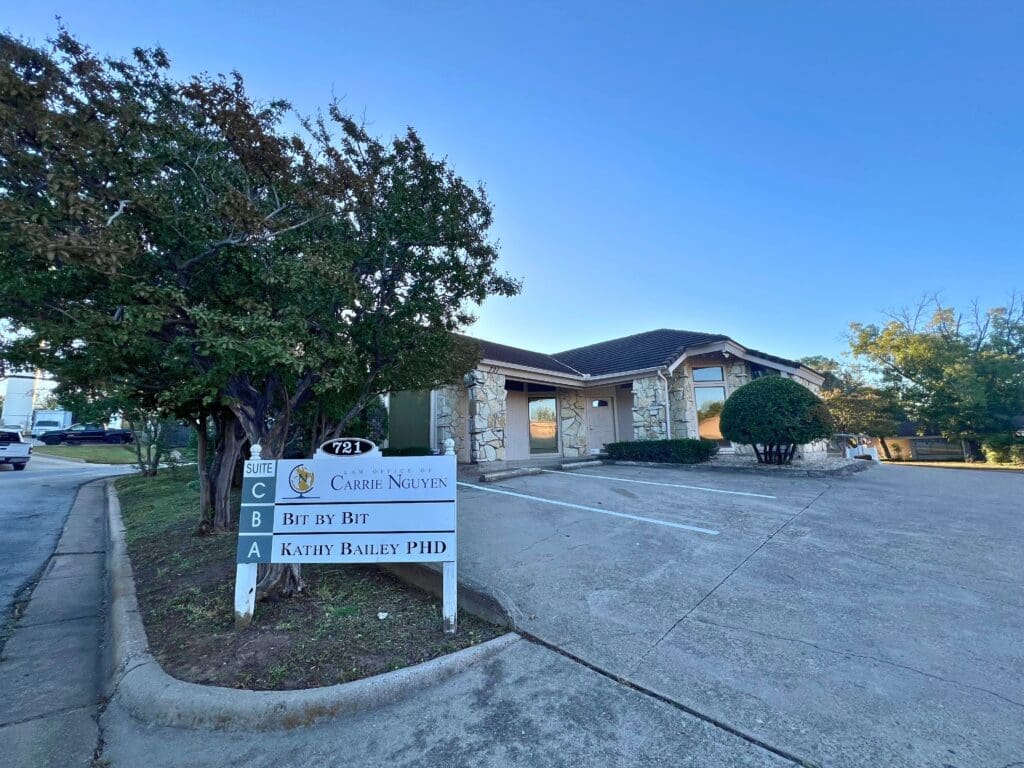
721 N Fielder Rd., Suite C, Arlington TX 76012
817-330-9734 | info@carrielegal.com
“You Are Not Alone”