If your family member is outside the United States, the consular process is how they get their immigrant visa — and eventually their green card. It’s a multi-step process involving three government agencies. Here’s exactly what happens at each stage.
Step 1: File Form I-130 with USCIS
The process starts with you — the U.S. citizen or permanent resident — filing Form I-130 (Petition for Alien Relative) to establish the qualifying family relationship. Once approved, USCIS transfers the case to the National Visa Center.
Timeline: 6–12 months for USCIS approval (varies by service center)
Step 2: National Visa Center (NVC) Processing
The NVC collects fees and documents before scheduling the consular interview. Your family member will need to submit:
- Immigrant visa application (Form DS-260)
- Affidavit of Support (Form I-864) from you as the petitioner
- Civil documents: birth certificate, marriage certificate, police records
- Certified translations of any non-English documents
Common mistake: Documents translated by a family member or via Google Translate will be rejected. Only certified translations are accepted by USCIS and the NVC.
Step 3: Medical Examination
Before the interview, your family member must complete a medical exam with a USCIS-approved panel physician in their country. The results are sent directly to the consulate in a sealed envelope — they should not open it.
Step 4: Consular Interview
A U.S. consular officer will review the application, verify the family relationship, and check for any grounds of inadmissibility. Your family member should bring:
- Interview appointment letter and valid passport
- Two passport-size photos
- Original civil documents and sealed medical exam envelope
- Evidence of the relationship (photos, communication records, financial support)
If approved, your family member will receive an immigrant visa stamp in their passport and typically has up to six months to travel to the U.S. Their green card arrives by mail within a few weeks of entry.
What If the Visa Is Denied?
A denial is not always final. Many denials stem from missing documents, inadmissibility issues, or financial concerns — all of which may have legal remedies. If your family member’s visa was denied, don’t give up. An experienced immigration attorney can review the denial and map out next steps.
How We Help
We handle every document, anticipate problems before they cause delays, and keep you informed throughout the process. Our 30/60/90-day accountability promise means your case is never sitting idle — and you’ll always know where things stand.ard.
About This Article
Based on content originally co-authored by Attorney Carrie Nguyen and criminal defense attorney Benson Varghese. Original article: versustexas.com/blog/immigration-consequences. This version has been rewritten for current practice.
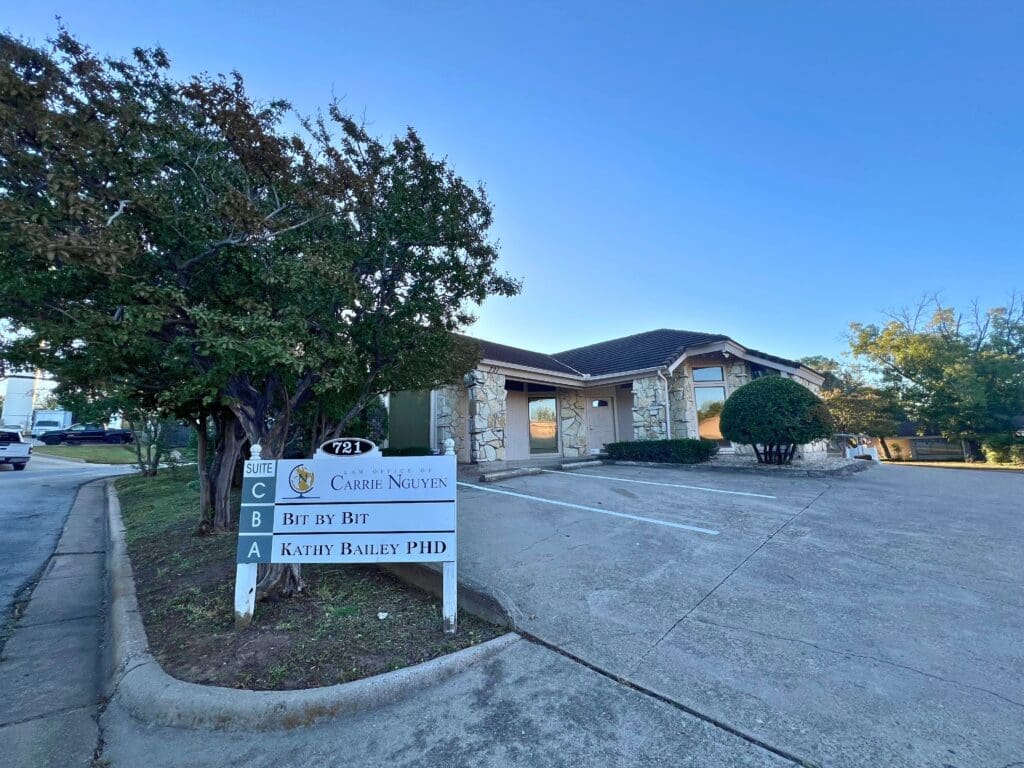
Law Office of Carrie Nguyen
721 N Fielder Rd., Suite C, Arlington TX 76012
817-330-9734 | info@carrielegal.com
“You Are Not Alone”