
QUICK ANSWER The K-1 fiancé(e) visa allows the foreign-citizen fiancé(e) of a U.S. citizen to enter the United States for 90 days to get married. It is filed using Form I-129F, Petition for Alien Fiancé(e). Only U.S. citizens (not green card holders) can petition. Both parties must have met in person within two years before filing. After marriage, the foreign spouse applies for a green card through Adjustment of Status (Form I-485). Processing typically takes 10–18 months from filing to U.S. entry.
K-1 Fiancé(e) Visa Guide for Texas Couples
She said yes. Or he said yes. Or maybe the two of you just knew, after years of video calls across time zones and borders, that it was finally time to stop waiting and start building a life together.
The K-1 fiancé(e) visa is a legitimate and established pathway for international couples. It is not easy, and it is not fast — but it works. Here’s what engaged couples in Texas need to know.
What Is the K-1 Fiancé(e) Visa and How Does It Work?
The K-1 visa is a nonimmigrant visa that allows the foreign-citizen fiancé(e) of a U.S. citizen to enter the United States for the purpose of getting married. Once the foreign fiancé(e) arrives, the couple has exactly 90 days to marry. After the wedding, the foreign spouse files Form I-485 (Adjustment of Status) to apply for a green card.
Important: The K-1 visa itself is not a path to permanent residence — it is only the first step. The marriage and subsequent Adjustment of Status process lead to the green card.
The petition is filed on Form I-129F by the U.S. citizen with USCIS. After approval, the case goes to the National Visa Center and then to the U.S. embassy/consulate in the fiancé(e)’s home country for the visa interview.
Who Can File for a K-1 Visa — and Who Cannot?
- Only U.S. citizens can petition for a K-1 visa. Green card holders cannot.
- Both parties must be legally free to marry (prior marriages must be legally ended).
- Both parties must have met in person within the two years immediately before filing the I-129F. Exceptions are very rare.
- Both parties must intend to marry within 90 days of the fiancé(e)’s arrival in the U.S.
How Long Does the K-1 Visa Process Take in 2025–2026?
A realistic timeline from filing the I-129F to the fiancé(e)’s entry into the U.S. is 10–18 months. Processing times vary depending on the USCIS service center and the consulate handling the case.
Check current processing times at uscis.gov.
What Happens If You Don’t Get Married Within 90 Days?
The 90-day window is strict. If you do not marry within 90 days:
- The K-1 visa holder must leave the United States.
- Staying beyond 90 days creates unlawful presence, which can trigger 3-year or 10-year bars to re-entry.
Most Common Mistakes That Delay or Deny K-1 Cases
- Insufficient evidence of a genuine, ongoing relationship
- Missing or poorly translated civil documents (birth certificates, divorce decrees, etc.)
- Weak documentation of the in-person meeting
- Inconsistencies between the petition and the consular interview answers
From K-1 Visa to Green Card: What Comes After Marriage
After marrying within the 90 days, the foreign spouse files:
- Form I-485 (Adjustment of Status)
- Form I-765 (Work Permit)
- Form I-131 (Advance Parole / Travel Document)
This package is usually filed together. The process includes biometrics, a medical exam, and usually an interview.
Frequently Asked Questions
Q: What is a K-1 fiancé(e) visa? A: A nonimmigrant visa that allows the foreign-citizen fiancé(e) of a U.S. citizen to enter the U.S. for 90 days to get married. After marriage, the spouse applies for a green card via Adjustment of Status.
Q: Can a green card holder sponsor a fiancé(e) with a K-1 visa? A: No. Only U.S. citizens can petition for a K-1 visa. Green card holders must use a different process.
Q: What happens if we don’t get married within 90 days? A: The K-1 holder must leave the U.S. Overstaying creates unlawful presence and can lead to 3- or 10-year bars.
Q: How long does K-1 visa processing take from Texas in 2026? A: Typically 10–18 months from filing to entry. Times vary by service center and consulate.
Q: Do we have to meet in person before filing? A: Yes. Both parties must have met in person within the two years before filing the I-129F. Exceptions are extremely limited.
About This Article
Based on content originally co-authored by Attorney Carrie Nguyen and criminal defense attorney Benson Varghese. Original article: versustexas.com/blog/immigration-consequences. This version has been rewritten for current practice.
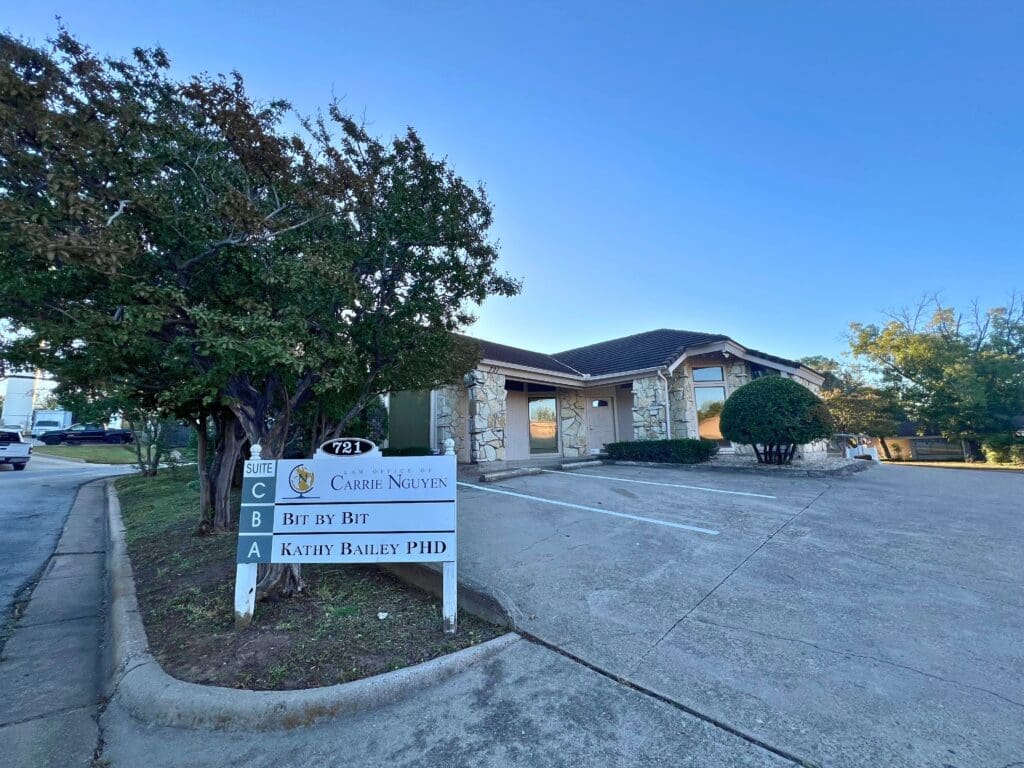
Law Office of Carrie Nguyen
721 N Fielder Rd., Suite C, Arlington TX 76012
817-330-9734 | info@carrielegal.com
“You Are Not Alone”